
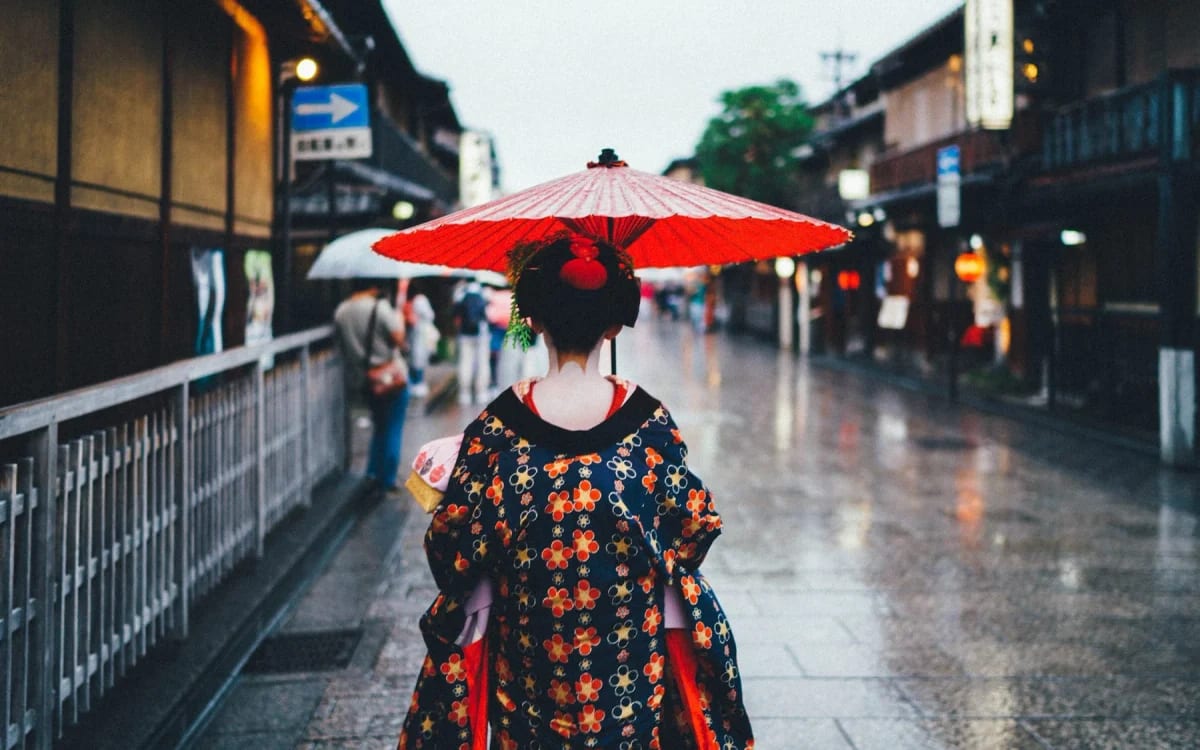
It happens to every traveller: you plan the perfect Kyoto day, then wake up to grey skies and steady rain. Kyoto gets plenty of it — especially during the June rainy season — but a wet day here is far from wasted. In fact, many of our guides think the city is at its most beautiful in the rain.
Here is how we spend a rainy day in Kyoto, from world-class museums and covered food markets to temples that look even better when wet.
Why rain is not a disaster in Kyoto
Moss gardens turn a brilliant green, the stone lanes of Higashiyama shine, mist drifts through the mountains around Arashiyama and the crowds at the big sights thin out noticeably. Bring an umbrella, slow down and you will see a side of Kyoto that sunny-day visitors miss.
Museums worth a rainy afternoon
Kyoto National Museum
In the Higashiyama district, the Kyoto National Museum holds an outstanding collection of Buddhist sculpture, calligraphy, ceramics and paintings from the city's 1,000-plus years as Japan's capital. It is an ideal first stop to understand what you will see in Kyoto's temples.
Sanjusangendo
Right across the street, Sanjusangendo is a temple hall about 120 metres long — one of the longest wooden buildings in Japan — housing 1,001 gilded statues of Kannon, the Buddhist goddess of mercy. The whole visit is indoors, so it is perfect for a wet morning, and pairing it with the National Museum makes an easy half day.
Kyoto International Manga Museum
Set in a former elementary school in central Kyoto, the Manga Museum holds a collection of around 300,000 items, and much of its huge wall of manga can be taken off the shelves and read on site. A great choice for families and anyone curious about Japanese pop culture.
The Okazaki museum district
Near Heian Shrine, the National Museum of Modern Art, Kyoto and the Kyoto City KYOCERA Museum of Art face each other across the street, so you can move between Japanese and Western art without spending long in the rain.
Covered markets and shopping arcades
- Nishiki Market — known as “Kyoto's kitchen”, this narrow covered street is lined with more than 100 shops and stalls selling pickles, tofu, sweets, seafood and kitchen knives. Graze your way through lunch without opening your umbrella.
- Teramachi and Shinkyogoku arcades — two long covered shopping streets that connect to Nishiki Market, mixing traditional stationery, incense and tea shops with souvenirs and cafés.
- Department stores on Shijo Street — Takashimaya and Daimaru are worth visiting for their basement food halls (depachika) alone.
- Kyoto Station — the futuristic station building, its shopping malls and underground arcades can easily fill a few dry hours, with plenty of restaurants.
Temples and gardens that shine in the rain
- Gio-ji in Arashiyama — a small temple with a carpet of moss under maple trees; rain makes it glow.
- Nijo Castle's Ninomaru Palace — you walk through the shogun's painted reception rooms indoors (listen for the “nightingale floors” that chirp as you step).
- Kiyomizu-dera — the famous wooden stage looks magical when mist hangs over the city below, and the approach streets are quieter than usual.
Cultural experiences indoors
A rainy day is the perfect excuse to try a tea ceremony, a Japanese cooking class or a kimono experience. Sake lovers can head south to Fushimi, Kyoto's historic brewing district, where the Gekkeikan Okura Sake Museum tells the story of sake making in a traditional brewery building.
Rainy-day tips from our guides
- Buy an umbrella on the spot — every convenience store sells clear umbrellas for a few hundred yen.
- Use the umbrella stands and bags at temples, shops and museums; you are expected to leave wet umbrellas outside.
- Wear shoes that slip on and off easily and pack spare socks — you remove your shoes in many temples, and wet socks on wooden floors are no fun.
- Take taxis between sights — they are clean, safe and easy to find in central Kyoto, and save long waits at crowded bus stops.
- Check opening days — many museums close one day a week, often Monday.
Let a local guide plan around the weather
All of our private tours run rain or shine. Your guide knows which sights are covered, which gardens look best in the rain and how to move between them quickly — and can rework the plan on the morning of your tour. For the driest option, a Kyoto Private Taxi Tour takes you door to door, while Kyoto in One Day (VIP) lets you build your own itinerary with an indoor backup plan.